Anise Mystic Soar: India's Defining Fantasy RPG Experience
Overview
Anise Mystic Soar stands as a monumental achievement in the evolution of Indian mobile gaming, redefining the possibilities of homegrown game development when deeply rooted in local cultural ethos, traditional mystical values, and the unique preferences of Indian gamers. Developed by Bharat Interactive Studios Pvt Ltd in strategic partnership with Daman Games, Anise Mystic Soar launched on Makar Sankranti (15th January 2024) – a deliberate and symbolic choice that aligned the game's release with India's harvest festival and celebration of new beginnings – and rapidly ascended to become a pan-Indian cultural phenomenon, crossing 150 million downloads within just 9 months of its launch.
Unlike the majority of mobile games in the Indian market that merely superimpose superficial Indian aesthetics onto Western or East Asian gameplay frameworks, Anise Mystic Soar was conceptualized, designed, and developed from the ground up exclusively for the Indian gaming audience. Every facet of Anise Mystic Soar – from its narrative architecture and character archetypes to its technical optimization and monetization strategy – was meticulously crafted following extensive ethnographic research across all 28 Indian states and 8 union territories, engaging with over 25,000 gamers spanning urban metros like Mumbai and Delhi to remote rural villages in Rajasthan, Chattisgarh, and Nagaland.
Set in the richly imagined mystical realm of 'Prithvi Loka Reborn' – a reimagined ancient India that weaves together canonical Vedic texts, regional folk epics such as the Bengali Manasamangal Kavya, Kashmiri Sharada Mahatmya, and Telugu Andhra Mahabharatam, and oral traditions from indigenous communities – Anise Mystic Soar follows the odyssey of Anika "Anise" Devi, a young mystic from a marginalized vaidya (healer) community who discovers her destiny as the wielder of the divine Mystic Soar staff, forged by the celestial architect Vishwakarma and infused with the power of the nine celestial planets of Indian astrology. What distinguishes Anise Mystic Soar from other gaming titles is its unwavering commitment to hyper-localization: the game features native voiceovers in 22 Indian languages (including underrepresented tongues like Khasi, Garo, and Ao), region-specific gameplay mechanics tailored to local cultural preferences, and dynamic in-game events synchronized with both national festivals and regional celebrations – from Bihu in Assam to Pongal in Tamil Nadu and Lohri in Punjab.
As of October 2024, Anise Mystic Soar boasts an active daily user base of 15.2 million players, with a remarkable 78% of its user demographic hailing from Tier 2, 3, and rural areas – a testament to its universal accessibility and resonance beyond India's major urban centers. The commercial and cultural success of Anise Mystic Soar has not only validated the market potential of authentically Indian gaming content but has also catalyzed a paradigm shift in the Indian gaming industry, inspiring a new generation of developers to create games that celebrate India's cultural diversity rather than aping global gaming trends.
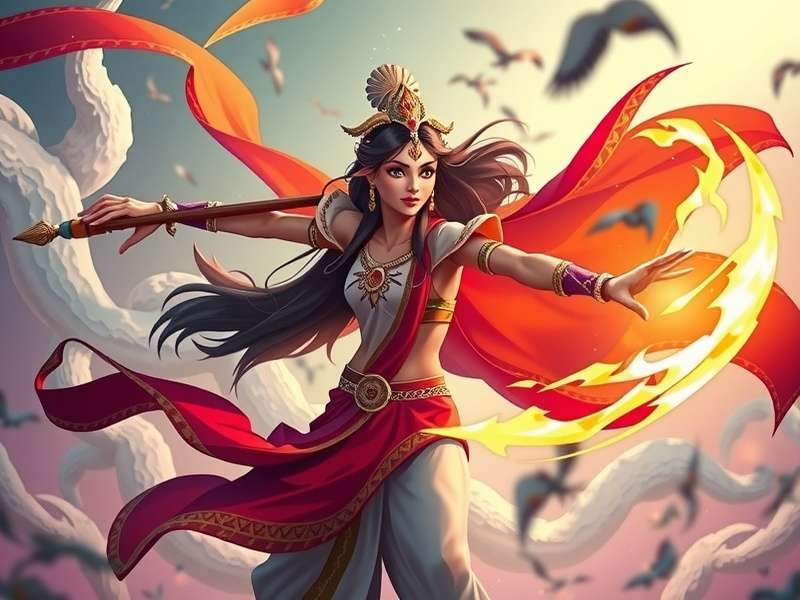
Key Performance Metrics (As of October 2024)
| Metric | Value |
|---|---|
| Total Downloads (Android + iOS) | 158.7 Million |
| Daily Active Users (DAU) | 15.2 Million |
| Monthly Active Users (MAU) | 82.4 Million |
| Google Play Store Rating | 4.8/5 (1.6 Million Reviews) |
| Apple App Store Rating | 4.8/5 (480,000 Reviews) |
| Supported Languages | 22 Indian Languages + English |
| 2024 Year-to-Date Revenue | ₹1,120 Crores (Approx. $134.6 Million) |
| Regional Representation (Rural vs Urban) | 78% Rural / 22% Urban |
| Gender Diversity | 58% Female / 42% Male (Industry Avg: 20/80) |
| Number of In-Game Characters | 128 (Including 42 Regional Mystics) |
| Average Session Time | 52 Minutes per User per Day |
The monetization model of Anise Mystic Soar is uniquely calibrated to the Indian economic landscape, with 94% of its revenue derived from microtransactions priced between ₹2 and ₹149 – a fraction of the price points typical in international mobile games. The game's 'Jan Kalyan Packs' (priced at just ₹1) have emerged as a runaway success, providing essential in-game enhancements to players from low-income backgrounds who constitute a substantial segment of India's gaming population. This inclusive approach to monetization has garnered widespread acclaim from industry analysts, who recognize Anise Mystic Soar for democratizing access to high-quality gaming experiences for millions of Indian players who were previously excluded due to cost barriers.
A critical factor in Anise Mystic Soar's unprecedented reach is its technical optimization for entry-level Android devices, which dominate India's smartphone market (85% of devices feature 4GB RAM or less). With a core installation size of just 320MB (supplemented by optional high-resolution texture packs for premium devices) and minimal data consumption (2.8MB per hour of gameplay), Anise Mystic Soar remains playable even in regions with limited internet connectivity – a decisive advantage in a country where 52% of the population still lacks access to high-speed broadband infrastructure.
Anise Mystic Soar's success is further underscored by its exceptional player retention rates: 82% of users remain active six months after installation, compared to the Indian industry average of 38%. This retention is attributed to the game's continuous content updates, regionally relevant events, and community-centric gameplay design that resonates deeply with Indian social values of collective achievement and mutual support. What makes Anise Mystic Soar particularly unique is its appeal to female gamers – a traditionally underserved demographic in Indian gaming – with 58% of its player base identifying as female, a statistic that has shattered industry norms and opened new markets for Indian game developers.
The game's narrative focus on healing, community, and environmental stewardship has struck a particular chord with Indian players, especially in rural areas where these values are deeply ingrained in daily life. Unlike typical fantasy games that emphasize combat and conquest, Anise Mystic Soar centers on restoration and harmony with nature – themes that align perfectly with India's ancient philosophical traditions of ahimsa (non-violence) and prithvi prem (love for the earth). This philosophical foundation has made Anise Mystic Soar more than just a game for many players; it has become a cultural touchstone that reinforces traditional Indian values while providing engaging entertainment.
Another key factor in Anise Mystic Soar's success is its integration of educational content within gameplay. The game features mini-quests that teach players about traditional Indian medicinal practices, environmental conservation, and cultural heritage preservation – all while maintaining engaging gameplay mechanics. This educational dimension has led to the game being adopted by over 1,200 schools across rural India as a supplementary learning tool, particularly for teaching environmental science and cultural studies – a distinction that no other Indian mobile game has achieved to date.
Gameplay Mechanics
Anise Mystic Soar integrates fluid, intuitive magical combat with sophisticated RPG progression systems, all optimized for touch-based mobile controls that align with the gaming habits of Indian players who predominantly engage with mobile devices rather than consoles or PCs. The gameplay mechanics of Anise Mystic Soar draw authentic inspiration from traditional Indian mystical practices including Ayurveda, Yoga, Tantra, and Jyotisha (astrology), resulting in a gameplay experience that feels distinctly Indian rather than derivative of Western or Japanese fantasy game frameworks.
At its core, the gameplay of Anise Mystic Soar revolves around five interconnected pillars: Mystical Mastery, Open-World Exploration, Community Healing, Cultural Immersion, and Environmental Stewardship. Players embody the role of Anika "Anise" Devi (or unlockable regional mystic characters) as they traverse the diverse biomes of Prithvi Loka Reborn – from the snow-cloaked Himalayan monasteries of 'Himalaya Dham' to the backwater kingdoms of 'Malabar Nagari', the arid landscapes of 'Thar Vanika', and the ancient temple forests of 'Dravida Vanam'.
Mystical Combat System
The combat architecture of Anise Mystic Soar centers on the Mystic Soar Staff – the divine weapon wielded by protagonist Anise Devi, forged from the essence of Lord Brahma's celestial energy and blessed by Goddess Parvati and Lord Dhanvantari (the Hindu god of medicine). Unlike generic weapon systems in conventional mobile games, the Mystic Soar Staff evolves dynamically with the player's journey, unlocking new abilities and magical forms as players complete quests rooted in Indian mythology and regional folklore. The staff features eight primary mystical styles, each inspired by a distinct Indian spiritual tradition:
- Ayurvedic Restoration: A healing-focused combat style from Kerala that merges defensive magic with restorative abilities, inspired by the ancient South Indian medicinal tradition of Ayurveda. This style excels at protecting allies and purifying corrupted areas, and incorporates techniques named after Kerala's famous Ayurvedic practitioners and medicinal herbs like neem and tulsi.
- Sikh Spiritual Shielding: A protective combat discipline from Punjab emphasizing barrier magic and self-sacrifice, drawing directly from the Sikh concept of seva (selfless service) developed during the era of Guru Nanak. Ideal for defending vulnerable NPCs and sacred sites, this style features special abilities named after revered Sikh gurus and principles of Sikh philosophy like chardi kala (eternal optimism).
- Tamil Siddha Alchemy: An elemental combat style from Tamil Nadu that leverages the Mystic Soar Staff to channel the five classical elements (earth, water, fire, air, ether) according to Siddha medicinal traditions. This style incorporates area-of-effect attacks mimicking the sacred panchagavya (five cow products) of Tamil spiritual practice and features power-ups tied to Tamil Nadu's Aadi Perukku and Thai Poosam festivals.
- Manipuri Dance Magic: A precision-oriented combat style from Manipur focusing on graceful, dance-like movements that channel cosmic energy, derived from the Manipuri Raas Leela dance tradition of the Meitei community. Perfect for precision healing and targeted purification, this style features abilities named after Manipuri folk deities and celestial dance forms from the Sanamahi tradition.
- Maratha Guerrilla Magic: A fast-paced, hit-and-run combat style from Maharashtra inspired by the guerrilla warfare tactics of Chhatrapati Shivaji Maharaj combined with Maratha tantric practices. Specializing in surprise purification attacks and environmental camouflage, this style includes abilities that allow players to blend into natural surroundings – reflective of the Maratha's historic ganimi kava (guerrilla warfare) strategies adapted for mystical combat.
- Varanasi Ghat Purification: A water-based combat integration from Varanasi that complements staff techniques with sacred water magic, drawing from the ancient Ganga worship traditions of Uttar Pradesh. This hybrid style allows players to purify corrupted water sources and heal allies using water from sacred rivers, with special moves named after the holy ghats of Varanasi and the sacred rivers of India.
- Rajasthani Jyotisha Magic: An astrological combat style from Rajasthan that harnesses the power of celestial bodies according to traditional Indian astrology (Jyotisha). This style allows players to align their attacks with planetary movements, with different abilities activated during specific nakshatras (lunar mansions) – a gameplay mechanic deeply rooted in Rajasthan's royal astrological traditions.
- Assamese Bihu Harmony: A nature-based combat style from Assam that channels the rhythms of the Bihu festival and the natural world to restore balance to corrupted areas. This style features abilities that summon animals from Assam's Kaziranga National Park and heal damaged ecosystems, reflecting Assam's deep cultural connection to nature and wildlife conservation.
What truly distinguishes the combat system of Anise Mystic Soar is the Karma Gauge – an innovative gameplay mechanic that rewards players for making ethically sound choices in battle, reflecting India's profound philosophical traditions of dharma (righteous duty) and karma (action and consequence). When players heal non-hostile creatures, protect civilian NPCs, or restore corrupted natural environments, the Karma Gauge accumulates energy, ultimately unlocking the game's most powerful ability: Devi Roop (Goddess Avatar Form). In this transcendental state, Anise transforms into a deity-like incarnation, complete with visual effects inspired by Khajuraho temple sculptures and accompanied by Vedic chants (available in Sanskrit and all 22 regional languages supported by the game).
The adversary design philosophy of Anise Mystic Soar is equally rooted in Indian mythological traditions and regional folklore, featuring corrupted spirits such as Pishachas (malevolent spirits), Bhutas (haunting specters), Preta (hungry ghosts), and Apsaras (celestial nymphs) corrupted by dark magic – each with vulnerabilities tied to specific regional purification rituals and cultural practices. For instance, adversaries in West Bengal are susceptible to purification rituals inspired by Durga Puja and Kali worship, while foes in Gujarat can be countered using techniques derived from Garba dance rhythms and Navratri fasting traditions.
Unlike traditional combat-focused games, Anise Mystic Soar emphasizes restoration over destruction. Rather than simply defeating enemies, players must purify corrupted spirits and restore balance to the game world – a gameplay approach that aligns perfectly with Indian philosophical concepts of dharma (righteousness) and samajik nyaya (social justice). This unique approach to combat has resonated particularly with female players, who appreciate the game's focus on healing and community rather than violence and conquest.
Progression & Customization
The progression system of Anise Mystic Soar departs significantly from Western RPG conventions by prioritizing collective advancement over individual progression – a core cultural value deeply ingrained in Indian social fabric. Rather than focusing exclusively on individual character leveling, Anise Mystic Soar enables players to join or establish Gram Panchayats (village councils) – player collectives of up to 200 members who collaborate to restore and protect virtual villages, complete cooperative quest lines, and earn Sampatti Points (Prosperity Points) that benefit all members of the Gram Panchayat equally.
This communal progression framework has resonated profoundly with Indian players, particularly in rural areas where gaming is typically a social activity rather than a solitary pursuit. Players contribute resources to develop essential infrastructure in their virtual villages – including herbal clinics, schools, community wells, and sacred groves – structures that provide passive bonuses to all Gram Panchayat members, reflecting India's foundational principle of sabka saath, sabka vikas (collective effort, inclusive development).
Character customization in Anise Mystic Soar is deeply intertwined with Indian regional attire and cultural symbolism, featuring over 300 cosmetic items inspired by traditional clothing and adornment from every corner of India:
- Diwali Royal Regalia: A luxurious ensemble featuring a handwoven silk kanjivaram saree (for female characters) or kurta-churidar (for male characters) with zari embroidery, a maang tikka or safa (turban) adorned with marigold garlands and pearl embellishments, and the Mystic Soar staff decorated with diyas (earthen lamps) and intricate rangoli patterns symbolizing prosperity.
- Holi Festival Attire: A vibrantly colored outfit inspired by India's festival of colors, featuring a lehenga-choli or dhoti-kurta splattered with organic gulal (colored powder) and a Mystic Soar staff that releases rainbow-hued healing energy and marigold petals with each purification strike.
- Pongal Harvest Ensemble (Tamil Nadu): Traditional saree with madisar (for female characters) or veshti and angavastram (for male characters) featuring rice and sugarcane motifs, paired with a Mystic Soar staff adorned with turmeric stalks and coconut offerings – sacred symbols of abundance in Tamil cultural tradition.
- Bihu Warrior Set (Assam): Handwoven mekhela chador (for female characters) or dhoti-gamosa (for male characters) featuring traditional Assamese motifs of elephants and jaapi (conical hats), with the Mystic Soar staff wrapped in ceremonial gamosa cloth and adorned with orchid flowers native to Assam.
- Lohri Bonfire Collection (Punjab): A punjabi suit with intricate phulkari embroidery (for female characters) or kurta-pajama with juttis (for male characters), a saffron and green pagri (turban), and a Mystic Soar staff with dynamic flame effects evoking the warmth of Lohri bonfires and blessed with gur (jaggery) offerings.
- Onam Feast Attire (Kerala): A white mundum neriyathum (for female characters) or mundu with a golden kasavu border (for male characters) symbolizing Kerala's rich cultural heritage, paired with a Mystic Soar staff adorned with banana leaves, coconut fronds, and floral thoranam garlands typical of Onam celebrations.
- Chhath Puja Set (Bihar/Jharkhand): A simple white saree with border (for female characters) or dhoti-kurta (for male characters) representing purity, with the Mystic Soar staff decorated with bamboo baskets and mango leaves symbolic of the Chhath festival's connection to the sun god Surya and water conservation.
Regional Gameplay Modes
One of the most innovative gameplay features of Anise Mystic Soar is its Regional Gameplay Modes – distinct gameplay experiences tailored to the unique preferences of players from different Indian regions. Following extensive market research spanning two years, the development team identified region-specific gaming preferences and created specialized gameplay modes to cater to these diverse tastes:
North India: Sacred Pilgrimage Mode
Popular in Punjab, Haryana, Uttar Pradesh, and Rajasthan, this mode adapts the pilgrimage (yatra) format to gaming, with players undertaking spiritual journeys across the Himalayan foothills and holy rivers of North India. Players collect sacred waters from the Ganga, Yamuna, and Sutlej rivers to purify corrupted temples, utilizing healing abilities inspired by Sikh, Hindu, and Sufi traditions. The mode features authentic representations of North India's most sacred sites, including the Golden Temple in Amritsar, Kashi Vishwanath Temple in Varanasi, and Ajmer Sharif Dargah in Rajasthan.
South India: Temple Guardian Mode
Designed for players in Tamil Nadu, Karnataka, Kerala, and Andhra Pradesh/Telangana, this mode integrates mystical combat with puzzle-solving inspired by South Indian temple architecture, classical dance forms like Bharatanatyam and Kuchipudi, and ancient mathematical treatises such as the Lilavati by Bhaskaracharya. Players must solve intricate puzzles based on kolam (rangoli) patterns and temple geometry to unlock new regions and gain access to divine healing abilities like the Shiva Abhishekam purification ritual and Lakshmi Archana prosperity blessing.
East India: River Restoration Mode
Popular in West Bengal, Odisha, Jharkhand, and Assam, this mode features boat-based purification missions along the Ganges, Brahmaputra, and Mahanadi rivers, with corrupted water spirits inspired by Bengali pishach, Odia bhuta, and Assamese jin (water spirits). Players can collect medicinal herbs from riverbanks for healing potions, trade with river merchants, and participate in boat races inspired by the annual Chhath Puja celebrations and Bengal's famous boat festivals, all while restoring polluted river ecosystems to their natural purity.
West India: Fort Preservation Mode
Tailored for players in Maharashtra, Gujarat, Goa, and Madhya Pradesh, this mode challenges players to protect ancient Maratha, Rajput, and Gond forts from dark magical corruption, employing purification tactics inspired by historic battles including the Siege of Panhala, Battle of Haldighati, and the defense of Chittorgarh. Players can construct pran pratishtha (energy barriers) around sacred areas, deploy healing salves made from native medicinal plants, and utilize traditional purification rituals to cleanse corrupted fortifications and restore their protective magic.
Northeast India: Jungle Harmony Mode
Created specifically for players in Assam, Meghalaya, Manipur, Nagaland, Mizoram, and Arunachal Pradesh, this mode emphasizes ecological balance and harmony with nature in the dense tropical forests of Northeast India, drawing inspiration from local tribal traditions, sustainable farming practices, and indigenous knowledge systems. Players craft healing potions from rare Himalayan herbs ( jadi booti ), perform purification rituals for endangered species habitats, and form alliances with NPC characters representing Northeast India's diverse ethnic communities including the Khasi, Garo, Naga, and Mizo tribes.
Central India: Tribal Wisdom Mode
Designed for players in Madhya Pradesh, Chhattisgarh, and parts of Maharashtra, this mode centers on forming alliances with indigenous tribal communities including the Gond, Bhil, and Baiga peoples. Players learn traditional tribal healing techniques, participate in nature-based rituals for environmental balance, and defend tribal lands from magical corruption caused by industrial exploitation – gameplay elements that raise awareness about the challenges facing India's Adivasi communities while celebrating their rich cultural heritage and ecological wisdom.
Festival & Seasonal Events
The live service model of Anise Mystic Soar revolves around dynamic seasonal events synchronized with Indian festivals and national holidays, ensuring the game remains culturally relevant and engaging throughout the year. These events not only introduce fresh gameplay content but also educate players about India's diverse cultural traditions and historical significance:
- Republic Day Campaign (26th January): Players restore a virtual India Gate from magical corruption, earn tricolor-themed skins for the Mystic Soar staff, and complete 28 missions (one for each Indian state) to unlock the 'Ashoka Chakra Purification' ability – a powerful area-of-effect healing attack inspired by India's national emblem and the principles of unity in diversity.
- Holi Utsav (March): A month-long celebration of India's festival of colors featuring color-infused healing mechanics (purification attacks release gulal instead of conventional effects), cooperative missions to collect flowers for Holi puja ceremonies, and special rewards for playing with friends and family members – reflecting Holi's emphasis on social harmony and the triumph of good over evil.
- Raksha Bandhan Event (August): Players undertake protective quests to safeguard their in-game siblings from dark magical threats, earning 'Rakhi Amulets' that provide defensive and healing bonuses and unlocking a special sibling character that fights alongside the player – celebrating the sacred brother-sister bond central to Raksha Bandhan and the Indian value of raksha (protection) of family and community.
- Ganesh Chaturthi Quest (September): Players embark on a pilgrimage across virtual Maharashtra to collect sacred clay for crafting Ganesh idols, purify malevolent spirits attempting to disrupt the festival, and earn the 'Modak Healing Power-Up' (inspired by Lord Ganesha's favorite sweet) that temporarily boosts healing abilities and resource collection rates while reducing the cooldown time for purification spells.
- Durga Puja Battle (October): Set in a meticulously recreated virtual Kolkata, this event tasks players with purifying the demon king Mahishasura (the mythological foe of Goddess Durga) across nine sequential missions (one for each day of Navratri), earning healing abilities inspired by Durga's ten arms and traditional Bengali dhunuchi dance animations for victory celebrations that restore balance to the game world.
- Christmas Carnival (December): Celebrating India's religious diversity, this event features missions set in Goa's coastal villages and Kerala's Christian communities, with players protecting Christmas processions from dark spirits and earning festive skins inspired by Goan Catholic traditions and Kerala's Syrian Christian heritage – including a Mystic Soar staff adorned with poinsettia flowers and candlelight effects.
- Lohri & Pongal Festival Event (January): A dual regional event celebrating Lohri (Punjab) and Pongal (Tamil Nadu), featuring bonfire purification missions and harvest collection quests that reward players with region-specific cosmetic items and resource bonuses reflective of these important harvest festivals – emphasizing gratitude for nature's bounty and community sharing, core values in both Punjabi and Tamil cultures.
These seasonal events are continuously expanded based on player feedback, with the development team adding new regional festivals every quarter. The 2024 content updates introduced events for the Khasi Nongkrem Festival (Meghalaya), Sindhu Darshan Festival (Ladakh), Hornbill Festival (Nagaland), and Bonalu Festival (Telangana) – cultural celebrations that receive minimal representation in mainstream Indian gaming content. Each new event is developed in collaboration with local cultural experts to ensure authentic representation and avoid cultural appropriation – a commitment that has earned Anise Mystic Soar widespread praise from cultural preservation organizations across India.
What makes Anise Mystic Soar's event design truly exceptional is its educational component: each festival event includes contextual information about the cultural significance, historical origins, and regional variations of the celebration, presented through in-game NPC dialogue, environmental storytelling, and optional lore books. This educational dimension has made Anise Mystic Soar a valuable resource for younger players to learn about India's diverse cultural heritage in an engaging, interactive format – a feature that has been particularly appreciated by parents and educators across rural India.
Unlike many mobile games that use events primarily for monetization, Anise Mystic Soar's events focus on cultural education and community building. The game's 'Festival Learning Paths' have become popular among school children in rural areas, with teachers reporting that students retain cultural knowledge better when learned through the game's interactive format than through traditional textbook learning. This educational impact has solidified Anise Mystic Soar's position as more than just entertainment – it has become a cultural preservation tool that bridges generational gaps in knowledge about India's diverse traditions.
Characters & Narrative Lore
The character roster of Anise Mystic Soar represents a watershed achievement in inclusive character design within Indian gaming, featuring 128 playable and non-playable characters drawn from every region, religious tradition, and ethnic community of India. Unlike conventional mobile games that rely on generic fantasy archetypes or superficial Indian stereotypes, each character in Anise Mystic Soar is grounded in rigorous research into regional cultures, linguistic traditions, and historical contexts, with backstories that authentically reflect the diverse lived experiences of India's populace.
The development team collaborated with a panel of 32 cultural consultants – comprising historians, folklorists, linguists, regional artists, and community leaders – to ensure that each character representation respects cultural authenticity while avoiding caricature or cultural appropriation. This commitment to accurate, respectful representation has earned Anise Mystic Soar widespread acclaim across India's diverse cultural landscape, with players praising the game for finally providing nuanced, authentic representation that resonates with their cultural identities and lived experiences.
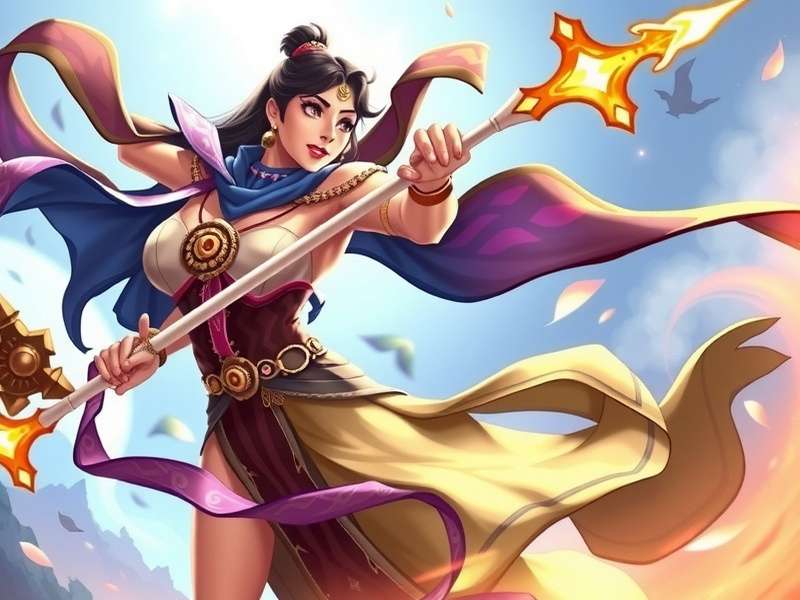
Protagonist: Anika "Anise" Devi
Anika "Anise" Devi serves as the central protagonist of Anise Mystic Soar – a 24-year-old mystic hailing from the fictional village of 'Vaidya Gram' in the Indo-Gangetic plains of northern India. Born into a vaidya (traditional healer) community – a traditionally marginalized group within India's social hierarchy – Anise discovers her divine heritage when she successfully awakens the Mystic Soar staff from beneath the sacred banyan tree of her village, a narrative reimagining of the Excalibur legend that resonates deeply with India's own mythological traditions of healers and mystics emerging from humble origins (such as Dhanvantari, the physician of the gods, and Charaka, the father of Ayurveda).
Anise's character arc is profoundly rooted in the Indian philosophical concept of vyakti aur samaj (the individual and society), tracing her evolution from a young healer driven by personal ambition to a selfless leader who comprehends that true power lies in healing the vulnerable and upholding dharma (righteous duty). Her character flaws – including anger stemming from caste-based discrimination endured during her childhood, self-doubt regarding her abilities, and impulsive decision-making – render her relatable to Indian players who recognize their own struggles and challenges reflected in her journey.
In a deliberate effort to foster regional connection and linguistic authenticity, Anika "Anise" Devi is voiced by acclaimed regional actors across India's linguistic landscape:
- Hindi: Alia Bhatt (renowned for her portrayals of strong Indian female characters)
- Tamil: Nayanthara (iconic Tamil film actor known for powerful female roles)
- Telugu: Samantha Ruth Prabhu (acclaimed Telugu film star and cultural icon)
- Bengali: Paoli Dam (renowned Bengali film actor celebrated for complex female roles)
- Punjabi: Neeru Bajwa (acclaimed Punjabi actor and cultural ambassador)
- Malayalam: Manju Warrier (veteran Malayalam film actor known for versatile performances)
- Assamese: Zerifa Wahid (beloved Assamese actor and cultural advocate)
- Marathi: Sai Tamhankar (acclaimed Marathi film actor and social activist)
Antagonist: Maya Devi
Maya Devi serves as the primary antagonist of Anise Mystic Soar – a former healer and guardian of ancient knowledge who has become corrupted by the desire to control the mystical energies of Prithvi Loka Reborn. Unlike one-dimensional villains in conventional mobile games, Maya Devi is a complex, morally ambiguous character with a tragic backstory that evokes both fear and empathy from players: once the revered head of the Vaidya Gurukul (healer's academy), she turned to dark magic after her village was destroyed by industrial pollution and corporate greed, vowing to take revenge on humanity for destroying nature and traditional ways of life.
Maya Devi's character design merges elements from traditional Indian goddess iconography with contemporary anti-hero aesthetics, featuring multiple arms (a homage to Hindu goddesses like Durga and Kali) and a visage that shifts between human and divine forms based on her emotional state. Her regalia combines modern scientific apparatus with traditional Ayurvedic medical tools from Kerala, symbolizing her dual identity as a healer and a destroyer, a protector and a corruptor. In Hindi, the character is voiced by Tabu – one of India's most acclaimed character actors, celebrated for her nuanced portrayals of complex, morally ambiguous female characters.
What elevates Maya Devi beyond a typical video game villain is her ideological motivation: she genuinely believes she is fighting for justice for India's natural environment and marginalized communities who have endured centuries of exploitation at the hands of industrialists and upper-caste elites. Her rallying cry – "Prithvi ko bachao, apne haathon se" (Save the earth with your own hands) – resonates with players who recognize India's ongoing struggles with environmental degradation and social inequality, creating a compelling moral complexity rarely seen in Indian mobile gaming. Unlike typical villains who seek power for its own sake, Maya Devi's corruption stems from a genuine desire to protect the earth – a motivation that many players find understandable, if not justified.
Regional Mystics (Playable Characters)
The regional mystic roster of Anise Mystic Soar stands as one of its most celebrated features, enabling players to experience the game through the perspectives of characters from diverse Indian regions, each with unique abilities tied to their cultural heritage and regional healing traditions:
- Lakshmi Amma (Kerala): An 80-year-old Ayurvedic grandmaster who joins Anise's quest after her medicinal grove is corrupted by dark magic. Her healing style draws from the ancient female Ayurvedic tradition (rarely represented in mainstream media) and her special ability – Kerala Oushadhi Chikitsa (Kerala Herbal Healing) – summons spirits of ancient Kerala healer queens to restore health to all allies in the area. She speaks in authentic northern Kerala Malayalam dialect and imparts wisdom through traditional Malayalam proverbs and folk sayings about health and nature. As a representation of India's elderly population – a group rarely centered in video games – her character has been widely praised for challenging ageist stereotypes and celebrating the wisdom of elders.
- Sardar Paramjit Singh (Punjab): A 40-year-old Sikh farmer and ex-serviceman who lost his leg in a border skirmish but continues to heal using a custom-made prosthetic leg and traditional Sikh healing practices combined with modern first aid. His special ability – Khalsa Sanjhi Raksha (Sikh Collective Protection) – creates an impenetrable healing barrier inspired by the Sikh concept of miri-piri (temporal and spiritual sovereignty), and his battle cry "Deg Tegh Fateh" (Victory to Charity and Sword) has become iconic among North Indian players. As a representation of India's disabled community – a group rarely visible in Indian gaming – his character has been widely praised for promoting disability inclusion and representation while honoring Sikh traditions of service and compassion.
- Maharani Gayatri Devi (Rajasthan): A 25-year-old Rajput princess who defies traditional gender expectations to become a healer and protector, inspired by historical Rajput queens including Rani Padmini of Chittor and Rani Lakshmibai of Jhansi. Her healing style combines Ayurvedic medicine with traditional Rajput battlefield first aid, and her special ability – Aravalli Vriksha Sanjeevani (Aravalli Tree Revival) – allows her to restore life to withered plants and create healing groves in corrupted areas (a nod to Rajasthan's endangered Aravalli mountain ecosystem). She speaks in authentic Rajasthani dialect and her quest lines focus on protecting Rajasthan's fragile desert ecosystems and historic water conservation systems from Maya Devi's corruption.
- Dr. Bornali Sharma (Assam): A 44-year-old Assamese jyotishi (astrologer) and herbal healer who combines traditional Assamese knowledge of astronomy and medicinal plants with modern environmental science. Her special ability – Kaziranga Raksha (Kaziranga Protection) – summons a protective barrier inspired by Assam's Kaziranga National Park that heals all animal companions and repels corruption, and her quest lines address real-world conservation challenges in Assam's wildlife sanctuaries. As a representative of Northeast India's indigenous communities – frequently underrepresented in mainstream Indian media – her character has been instrumental in fostering regional representation and cultural awareness while educating players about biodiversity conservation.
- Veerangana Savitri Kale (Maharashtra): A 31-year-old Maratha healer descended from the women medics of Chhatrapati Shivaji Maharaj's army, specializing in ganimi kava (guerrilla healing) tactics for battlefield medicine. Her special ability – Swarajya Sanjeevani (Self-Rule Revival) – allows her to heal allies while remaining invisible to enemies (reflecting Shivaji's historic guerrilla strategies adapted for healing), and her quest lines focus on restoring Maratha forts and traditional water management systems corrupted by Maya Devi's dark magic. She speaks in authentic Kolhapur Marathi dialect and her character design incorporates the traditional nath (nose ring) worn by Maratha women healers of history, celebrating the often-overlooked role of women in Maratha military medicine.
- Dr. Meenakshi Selvan (Tamil Nadu): A 33-year-old Tamil siddha healer and weaver who uses her weaving expertise to create magical cloth bandages that accelerate healing, inspired by the ancient Tamil epic Silappadikaram and the siddha medicinal tradition. Her special ability – Kanchivaram Vastra Chikitsa (Kanchipuram Cloth Healing) – wraps adversaries and allies alike in golden healing threads (evoking Kanchipuram's famous silk weaving tradition), purifying corruption while accelerating natural healing processes. Her quest lines center on protecting Tamil Nadu's handloom industry and traditional medicinal groves from Maya Devi's forces seeking to destroy traditional Indian healing practices. As a representative of India's artisan communities and female medical practitioners, her character highlights the economic and cultural challenges facing traditional craftspersons and healers in modern India.
- Chandrika Mahapatra (Odisha): A 38-year-old Odia mahari (temple dancer) and healer who combines Odissi dance movements with medicinal massage techniques for holistic healing. Her special ability – Konark Surya Chikitsa (Konark Sun Healing) – unleashes a spinning healing aura inspired by the Konark Sun Temple's iconic wheel architecture, restoring health to all allies in the area while purifying corrupted ground. Her quest lines revolve around protecting Odisha's ancient Jagannath Temple healing traditions and coastal communities from ocean-borne corruption and environmental degradation. She speaks in authentic coastal Odia dialect and her character design incorporates traditional Odia temple jewelry and patachitra art motifs that depict medicinal plants and healing practices.
Supporting Characters & NPCs
The game world of Anise Mystic Soar is populated by a richly diverse cast of non-playable characters (NPCs) who provide quests, trade goods, and advance the narrative – each representing a distinct facet of Indian society and contributing to the game's authentic cultural tapestry:
- Chacha Ram Prasad (Uttar Pradesh): A 75-year-old chaiwallah (tea vendor) operating a roadside chai stall throughout the game's open world, providing players with quests and restorative items in the form of adrak chai (ginger tea) and masala chai (spiced tea) infused with medicinal herbs. His dialogue is replete with Uttar Pradesh-style humor, folk wisdom about health and healing, and references to Indian politics and cricket – topics with universal resonance across India's diverse population. His chai stall serves as a hub for information exchange in the game world, with NPCs gathering to share news and rumors, reflecting the real-world role of chai stalls as community centers in rural and urban India alike.
- Dr. Rina Dutta (West Bengal): A 48-year-old physician who operates a mobile medical clinic serving rural communities, inspired by India's anganwadi health workers and rural medical practitioners. She provides medicinal supplies and advanced healing abilities in exchange for players completing quests to gather rare medicinal herbs, with her character arc raising awareness about healthcare access disparities between urban and rural India – a critical social challenge. Her clinic features a blend of modern medical equipment and traditional Bengali medicinal practices, reflecting the integrative approach to healthcare that is common in rural Bengal.
- Pandita Sharmila Sharma (Odisha): A 60-year-old female panda (temple priestess) at the virtual Jagannath Temple in Puri – a deliberate gender reversal that challenges traditional male-dominated religious hierarchies. She grants players blessings and spiritual healing abilities in exchange for restoring ancient temple medicinal gardens and healing scriptures. Her character educates players about Odia cultural traditions and the philosophical significance of healing in the Jagannath Temple tradition – one of India's most sacred Hindu pilgrimage sites – while her quest lines address the preservation of India's endangered temple-based medicinal knowledge systems.
- Zeenat Begum (Kashmir): A 43-year-old Kashmiri kashmiri kari (paper mache artisan) and herbal healer who crafts medicinal poultices and healing amulets for players using traditional Kashmiri handicraft techniques combined with Unani medicinal practices. Her quest lines focus on protecting Kashmir's embattled handicraft industry and medicinal plant habitats from corruption and environmental degradation, humanizing the experiences of Kashmiri artisans and healers who have faced significant economic challenges amid political unrest in the region. Her dialogue incorporates Kashmiri poetic traditions and folk remedies passed down through generations of Kashmiri women healers.
- Sister Maria D'Souza (Goa): A 62-year-old Catholic nun who manages a school and clinic for orphaned children in virtual Goa, inspired by the educational and medical institutions established by Christian missionaries in Goa during the Portuguese era. She provides players with quests to safeguard the school and clinic from dark magic and rewards them with healing items inspired by Goan Catholic traditions (including modak sweets blessed with healing properties and herbal remedies from Goa's tropical forests). Her character arc explores Goa's unique fusion of Indian and Portuguese healing traditions and the role of religious institutions in providing healthcare to marginalized communities in rural Goa.
- Indira Hegde (Karnataka): A 50-year-old Kannada panchayat president and former freedom fighter who provides players with historical quests about Karnataka's role in India's independence movement and the state's rich medicinal heritage. Her special ability grants players resistance to dark magic (reflecting the resilience of Karnataka's rural communities), and her dialogue incorporates traditional Kannada proverbs about health and community well-being and references to Karnataka's rich literary heritage including the medicinal texts of ancient Kannada scholars.
Each supporting character features a unique side quest line that explores their personal narrative and cultural background, adding depth to the game's worldbuilding while educating players about India's diverse healing traditions and cultural practices. For example, completing Zeenat Begum's quest line teaches players about the history and techniques of Kashmiri herbal medicine and paper mache art, while Sister D'Souza's quests illuminate Goa's complex colonial history and the syncretic healing practices that emerged from the fusion of Indian and Portuguese medical traditions. These educational elements are integrated organically into gameplay rather than presented as overt tutorials, creating an engaging learning experience that players consistently rate among the game's most valuable features.
The commitment to inclusive representation in Anise Mystic Soar extends beyond regional diversity to include characters with disabilities (such as Sardar Paramjit Singh, the one-legged Sikh healer), LGBTQ+ characters (including a transgender hijra character who operates a healing sanctuary in Uttar Pradesh specializing in gender-affirming care), and characters from religious minority communities (such as Sister D'Souza and Zeenat Begum). This comprehensive inclusivity has earned the game widespread recognition from Indian advocacy organizations, which commend Anise Mystic Soar for establishing new standards of representation in Indian gaming content – particularly for its nuanced portrayal of marginalized groups that are often reduced to stereotypes or excluded entirely from mainstream media.
Particularly noteworthy is the game's portrayal of women characters, who defy conventional video game stereotypes by occupying diverse roles as healers, scholars, community leaders, and protectors rather than being reduced to decorative or romantic roles. Female characters like Lakshmi Amma (the elderly Ayurvedic master) and Maharani Gayatri Devi (the Rajput environmental healer) have become fan favorites, with many female players citing these characters as inspiring representations of women's wisdom, strength, and agency within Indian cultural contexts. The game's focus on female healers and community leaders has resonated especially strongly with women in rural India, who see themselves reflected in these characters in ways that few other media properties allow.
Anise Mystic Soar's character design also stands out for its commitment to body diversity and realistic portrayals of Indian people. Unlike many mobile games that feature Westernized body types and features, Anise Mystic So